
A blown head gasket is one of the most expensive problems a vehicle owner can face. The head gasket is a critical engine component located between the engine block and cylinder head.
Its main job is to create a tight seal that keeps combustion gases, engine oil, and coolant separated while maintaining proper compression inside the engine.
When a head gasket fails, coolant may leak into the combustion chamber, oil passages, or outside the engine.
Depending on the severity of the damage, repairs can cost anywhere from several hundred dollars to several thousand dollars because replacing a head gasket requires extensive engine disassembly.
For many vehicle owners, a head gasket sealer can appear to be an affordable alternative. These products are designed to seal small leaks by circulating through the cooling system and forming a protective barrier around damaged areas.
However, expectations are important.
A quality head gasket sealer may help with:
- Minor coolant leaks
- Small combustion-to-cooling-system leaks
- Early-stage head gasket problems
- Small cracks in certain cooling passages
- Temporary repairs before professional service
But these products are not guaranteed solutions for every blown head gasket.
A severely damaged engine with:
- Major overheating problems
- Loss of compression
- Warped cylinder heads
- Large cracks
- Coolant mixing heavily with oil
- Continuous white exhaust smoke
usually requires professional mechanical repair.
This guide provides a Consumer Reports-style evaluation of popular head gasket sealers based on:
- Manufacturer specifications
- Product reputation
- Customer feedback
- Ease of application
- Compatibility
- Value for money
- Intended repair situations
Our goal is to help you choose the right product for your vehicle while understanding its limitations.
Top 8 Best Head Gasket Sealer Consumer Reports
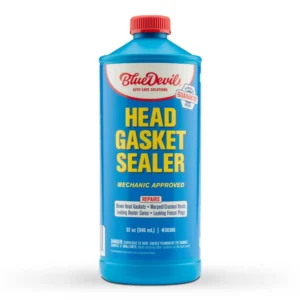
1. BlueDevil Head Gasket Sealer
BlueDevil Head Gasket Sealer is one of the most recognized products in the automotive cooling system repair category.
It is designed for vehicle owners looking for a professional-grade temporary repair option without removing the engine head.
Unlike simple radiator stop-leak products, BlueDevil focuses specifically on sealing combustion-related coolant leaks associated with head gaskets, cylinder heads, and engine blocks.
It works by circulating through the cooling system and creating a chemical seal when it reaches damaged areas.
Key Features
- Designed specifically for head gasket leaks
- Compatible with gasoline and diesel engines
- Works with aluminum and cast iron engines
- No engine teardown required
- Designed for cooling system circulation
- Long-lasting repair claims according to manufacturer
- Available in multiple bottle sizes
Compatibility
BlueDevil Head Gasket Sealer is commonly used with:
- Cars
- Trucks
- SUVs
- Motorcycles
- RVs
- Light commercial vehicles
It is compatible with many:
- Gasoline engines
- Diesel engines
- Aluminum engine blocks
- Cast iron engine blocks
Always verify compatibility with your specific vehicle before application.
Application Process
General application involves:
- Allowing the engine to cool
- Flushing contaminated coolant if necessary
- Adding the recommended amount of product
- Running the engine according to instructions
- Monitoring temperature afterward
Application time varies depending on engine size and leak severity.
Pros
- Specifically designed for head gasket problems
- Works without engine disassembly
- Strong brand reputation
- Suitable for multiple engine types
- Popular among DIY mechanics
Cons
- Higher price compared with basic sealers
- May not work on severe gasket failures
- Requires careful preparation and instructions
Best For
BlueDevil is best for:
- Older vehicles
- Minor-to-moderate coolant leaks
- DIY repairs
- Owners trying to delay expensive engine work
Why We Recommend It
BlueDevil is one of the strongest choices for drivers who understand the limitations of sealers and want a product specifically developed for head gasket-related cooling issues.
It is not a replacement for replacing a damaged gasket, but it can be a practical option for certain minor leaks.

2. Bar’s Leaks HG-1 Head Seal Blown Head Gasket Repair
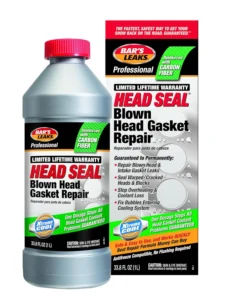
Bar’s Leaks HG-1 Head Seal is one of the most popular budget-friendly options for drivers looking for a temporary head gasket repair solution.
The product is designed to seal minor leaks in head gaskets, cylinder heads, and engine blocks without requiring expensive engine disassembly.
Bar’s Leaks has been producing automotive cooling system products for decades, making it a familiar name among DIY mechanics and vehicle owners.
This formula uses sealing agents that circulate through the cooling system and react with heat to help create a seal around small leak areas.
Key Features
- Designed for head gasket leaks
- Compatible with gasoline and diesel engines
- Works with antifreeze and coolant systems
- No special tools required
- Pour-in application
- Designed for DIY users
- Does not require engine removal
Compatible Engine Types
Bar’s Leaks HG-1 is generally designed for:
- Gasoline engines
- Diesel engines
- Cars
- Trucks
- SUVs
- Light-duty vehicles
It can be used with many cooling system materials, including:
- Aluminum components
- Cast iron engines
- Standard cooling systems
Always confirm compatibility with your vehicle manufacturer’s recommendations.
Application Process
Typical application includes:
- Allow engine to cool completely
- Remove radiator cap or coolant reservoir cap as instructed
- Add the recommended amount of product
- Run the engine according to directions
- Allow sealing process to complete
Application time depends on the size and location of the leak.
Pros
- Affordable compared with major engine repairs
- Trusted automotive brand
- Easy DIY application
- Good option for minor coolant leaks
- Widely available
Cons
- Not designed for catastrophic engine damage
- Results vary depending on leak location
- May require proper cooling system preparation
Best For
Bar’s Leaks HG-1 is best for:
- Older vehicles
- Small coolant leaks
- Budget-conscious owners
- Temporary repairs before professional service
Why We Recommend It
For drivers searching for the best head gasket sealer at an affordable price, Bar’s Leaks HG-1 offers a practical balance between cost and performance.
It is not a guaranteed fix for every blown head gasket, but it can be useful when dealing with minor leaks and following the manufacturer’s instructions carefully.
3. K-Seal ST5501 Multi-Purpose One Step Permanent Coolant Leak Repair
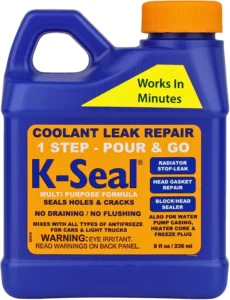
K-Seal ST5501 is a popular coolant leak repair product designed for drivers who want a simple, no-mess application process.
Unlike some traditional head gasket sealers requiring extensive preparation, K-Seal focuses on convenience.
It is a pour-in formula designed to circulate through the cooling system and locate leaks automatically.
The product is commonly used for:
- Head gasket leaks
- Cylinder head cracks
- Engine block cracks
- Radiator leaks
- Coolant system leaks
Key Features
- One-step application
- No draining or flushing normally required
- Compatible with most antifreeze types
- Works with aluminum and cast iron engines
- Designed for cars, trucks, and SUVs
- Suitable for gasoline and diesel engines
- Helps seal cooling system leaks
Compatible Engine Types
K-Seal can be used with:
- Gas engines
- Diesel engines
- Aluminum engines
- Cast iron engines
Common applications:
- Passenger cars
- Pickup trucks
- SUVs
- Commercial vehicles
Application Benefits
One of the biggest advantages of K-Seal is simplicity.
The general process:
- Shake bottle thoroughly
- Add directly to cooling system
- Run engine as instructed
- Monitor coolant temperature
This makes it appealing for beginners who do not have advanced mechanical experience.
Pros
- Very easy to use
- No complicated preparation
- Works on multiple cooling system leaks
- Good reputation among DIY users
- Compatible with many vehicles
Cons
- Not suitable for major mechanical failures
- Results depend heavily on leak severity
- May not work if gasket damage is extensive
Best For
K-Seal ST5501 is best for:
- Quick DIY repairs
- Minor coolant leaks
- Emergency situations
- Drivers who want easy application
Why We Recommend It
K-Seal is one of the strongest choices for people who want an easy-to-use radiator head gasket sealer without complicated procedures.
Its biggest advantage is convenience, making it popular among everyday drivers.
4. Steel Seal Blown Head Gasket Fix Repair Sealer
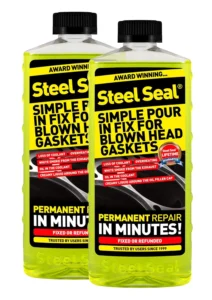
Steel Seal Blown Head Gasket Repair Sealer is marketed as a professional-strength solution for certain head gasket problems.
The product is designed to circulate through the cooling system and form a seal when exposed to engine heat.
It is often considered by vehicle owners who want to attempt a repair before committing to expensive mechanical work.
Key Features
- Designed for blown head gasket symptoms
- Works with gasoline and diesel engines
- Compatible with aluminum and cast iron engines
- No engine teardown required
- Designed for cooling system leaks
- Long-lasting repair claims from manufacturer
Compatibility
Steel Seal can be used in:
- Cars
- Trucks
- SUVs
- Motorhomes
- Light commercial vehicles
Compatible systems may include:
- Aluminum cylinder heads
- Cast iron blocks
- Conventional cooling systems
Application Process
General steps:
- Remove old coolant if required
- Add product according to instructions
- Run engine at operating temperature
- Allow product to circulate
- Replace coolant afterward if required
Pros
- Specifically marketed for head gasket issues
- Suitable for larger vehicles
- Works without engine disassembly
- Easy DIY approach
Cons
- More expensive than basic formulas
- Requires correct preparation
- Not a solution for severe engine damage
Best For
Steel Seal is best for:
- DIY mechanics
- Older vehicles
- Suspected minor head gasket leaks
- Owners trying to avoid immediate engine teardown
Why We Recommend It
Steel Seal is worth considering for drivers looking for a stronger head gasket repair liquid, especially when the vehicle still runs but shows early signs of cooling system leakage.
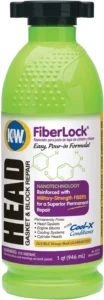
5. K&W FiberLock Head Gasket & Block Repair
K&W FiberLock Head Gasket & Block Repair uses fiber-based sealing technology designed to help repair certain cooling system leaks.
The formula is intended to create a reinforced seal by combining liquid sealing compounds with fiber materials that help bridge small damaged areas.
Key Features
- Fiber-based sealing technology
- Designed for head gasket and block leaks
- Works with many cooling systems
- Suitable for DIY applications
- Designed for permanent repair claims according to manufacturer
Compatibility
Common applications include:
- Gasoline engines
- Diesel engines
- Cars
- Trucks
- SUVs
Works with many:
- Aluminum engines
- Cast iron engines
Pros
- Affordable alternative to engine repair
- Fiber reinforcement technology
- Good for small leaks
- Easy application
Cons
- Results vary widely
- Not recommended for severe failures
- Requires proper instructions
Best For
K&W FiberLock is best for:
- Older vehicles
- Small cooling system leaks
- Budget repairs
Why We Recommend It
K&W FiberLock is a good option for drivers looking for an inexpensive engine block sealer that can address minor leaks.
6. Rislone Head Gasket Fix
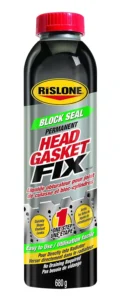
Rislone Head Gasket Fix is designed as an affordable cooling system treatment for minor head gasket-related leaks.
The product is intended for drivers who want a simple solution without professional engine repair costs.
Key Features
- Designed for head gasket leaks
- Compatible with gasoline and diesel engines
- Simple pour-in formula
- Works with many coolant systems
- DIY-friendly
Pros
- Affordable
- Easy application
- Good for older vehicles
- Trusted automotive additive brand
Cons
- Not suitable for severe gasket failure
- May require repeated monitoring
- Results depend on leak size
Best For
Rislone Head Gasket Fix works best for:
- Minor coolant leaks
- Older vehicles
- Preventing small issues from worsening
Why We Recommend It
Rislone provides a practical budget option for drivers who understand that a sealer is a temporary repair tool rather than a replacement for professional engine rebuilding.
7. Bar’s Leaks Block Seal Head Gasket Repair
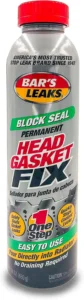
Bar’s Leaks Block Seal is designed for cooling system repairs involving:
- Head gasket leaks
- Cracked heads
- Engine block leaks
The formula is aimed at sealing small leaks through the cooling system without requiring major engine work.
Key Features
- Designed for block and gasket leaks
- Works with many cooling systems
- DIY-friendly application
- Established automotive repair brand
Pros
- Trusted brand
- Affordable
- Multiple vehicle applications
- Easy to use
Cons
- Not for severe engine damage
- Requires proper diagnosis
- Results vary by vehicle condition
Best For
- Older vehicles
- Small coolant leaks
- Emergency repairs
8. ATP AT-205 Re-Seal
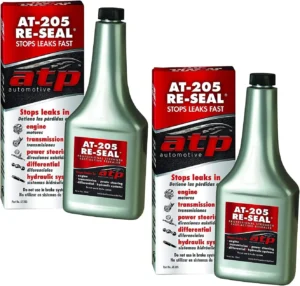
ATP AT-205 Re-Seal is included because many vehicle owners search for general “engine sealers,” but it is important to clarify that this product is not a dedicated head gasket repair product.
AT-205 is primarily designed to rejuvenate aging rubber seals and gaskets in automotive systems.
It may help with:
- Oil leaks
- Transmission leaks
- Power steering leaks
but it should not be considered a direct replacement for a head gasket sealer.
Key Features
- Restores flexibility to seals
- Works with multiple automotive fluids
- Compatible with many vehicles
- Fast-acting formula
Pros
- Excellent general seal conditioner
- Affordable
- Useful for aging seals
Cons
- Not designed specifically for head gaskets
- Cannot repair combustion leaks
- Not a blown head gasket fix
Best For
Drivers dealing with:
- Aging rubber seals
- Minor fluid leaks
- Preventive maintenance
Why We Recommend It
ATP AT-205 is useful for understanding the difference between a general engine sealer and a true head gasket repair product.
What Causes Head Gasket Failure?
Head gasket failure usually happens because the gasket experiences extreme heat and pressure over time.
Common causes include:
Engine Overheating
The most common cause is excessive engine temperature.
Overheating can happen because of:
- Failed radiator
- Low coolant level
- Broken water pump
- Faulty thermostat
- Cooling fan problems
- Blocked radiator passages
Repeated overheating can weaken the head gasket seal.
Aging Engine Components
Vehicles with high mileage may experience gasket deterioration due to:
- Thermal expansion and contraction
- Engine vibration
- Old coolant systems
- Corrosion
Poor Cooling System Maintenance
Neglecting coolant changes can allow:
- Rust buildup
- Deposits
- Electrolysis
- Internal corrosion
which increases the chance of gasket failure.
Manufacturing Defects
Some engines have known weaknesses involving:
- Cylinder head design
- Cooling passages
- Gasket materials
Symptoms of a Leaking Head Gasket
Before purchasing a radiator head gasket sealer, it is important to identify whether your vehicle actually has a minor leak.
Common warning signs include:
White Exhaust Smoke
A continuous white cloud from the exhaust may indicate coolant entering the combustion chamber.
Coolant Loss Without Visible Leaks
If coolant disappears but there are no obvious external leaks, internal engine leakage may be occurring.
Engine Overheating
Frequent overheating is one of the biggest signs of possible head gasket problems.
Milky Engine Oil
A creamy or frothy appearance under the oil cap may indicate coolant mixing with oil.
Air Bubbles in the Radiator
Continuous bubbling may indicate combustion gases entering the cooling system.
Poor Engine Performance
A failing head gasket can cause:
- Misfires
- Rough running
- Reduced power
- Hard starting
When Can a Head Gasket Sealer Help?
A head gasket sealer may be worth considering when:
- The leak is small
- The engine still runs normally
- Compression loss is minimal
- The vehicle is older and repair cost exceeds vehicle value
- You need a temporary solution before major repairs
Examples:
- Small coolant seepage
- Minor internal coolant leak
- Slow coolant loss
- Older daily driver needing extra time
When Should You Avoid Using Head Gasket Sealer?
A sealer is unlikely to solve serious mechanical failures.
Avoid relying on a sealer if your vehicle has:
- Severe overheating
- Blown coolant reservoir pressure
- Large cracks in engine components
- Hydrolocking symptoms
- Significant oil contamination
- Complete cylinder failure
In these cases, professional diagnosis is recommended.
How We Selected These Head Gasket Sealers
Our Consumer Reports-style evaluation criteria included:
Product Reputation
We prioritized established automotive brands with years of experience in:
- Cooling system repair
- Engine additives
- Automotive maintenance products
Customer Feedback
Important factors considered:
- Number of user experiences
- Common positive results
- Reported limitations
- Ease of use
Compatibility
Products were evaluated based on:
- Gasoline compatibility
- Diesel compatibility
- Aluminum engine compatibility
- Cast iron engine compatibility
Ease of Application
DIY users generally prefer products that:
- Require no engine removal
- Have simple instructions
- Need minimal tools
Value for Money
We considered whether the product offers reasonable value compared with:
- Professional repair costs
- Engine replacement costs
- Vehicle value
Important Reminder Before Buying
A head gasket sealer should be viewed as a repair attempt for specific situations, not a guaranteed replacement for mechanical repair.
Effectiveness depends on:
- Leak location
- Damage severity
- Engine condition
- Proper application
- Following manufacturer instructions
Always seek professional diagnosis if your vehicle has overheating, major coolant loss, compression problems, or coolant contamination.
Complete Head Gasket Sealer Buying Guide
Choosing the right head gasket sealer is not as simple as picking the most expensive bottle. Different formulas are designed for different types of leaks, cooling systems, and vehicle conditions.
A product that works for a small coolant seep may not help with a severely damaged head gasket.
Before buying an engine block sealer or radiator head gasket sealer, consider:
- Type of leak
- Engine condition
- Vehicle age
- Gasoline vs diesel compatibility
- Cooling system design
- Manufacturer instructions
The right product can potentially buy you time or solve a minor leak, but a major engine failure still requires professional repair.
Types of Head Gasket Sealers Explained
1. Liquid Sodium Silicate Formulas (“Liquid Glass”)
Sodium silicate-based sealers are among the most common technologies used in head gasket repair products.
These formulas work by circulating through the cooling system and reacting with heat.
When the liquid reaches a damaged area, the chemical reaction can create a hardened seal.
Advantages
- Strong sealing ability
- Designed for combustion-related leaks
- Can work on metal surfaces
- Often used for head gasket and block repairs
Disadvantages
- Requires proper preparation
- Not effective for every type of damage
- Incorrect use may create cooling system issues
Products commonly associated with this category include professional-style formulas such as BlueDevil Head Gasket Sealer.
Manufacturer instructions for some BlueDevil formulas specify cooling system preparation steps, including ensuring the system is clean before treatment.
2. Ceramic Fiber Sealers
Ceramic fiber formulas use tiny reinforcing particles designed to bridge small gaps. They work by circulating through the cooling system and collecting around leak areas.
Advantages
- Helps reinforce small leaks
- Good for minor cracks
- Affordable
- Easy DIY application
Disadvantages
- Performance depends on leak size
- May require careful flushing afterward
- Not suitable for major engine failures
3. Copper-Based Sealers
Copper formulas use metallic particles designed to improve sealing strength. Copper particles can help fill microscopic imperfections in cooling passages.
Advantages
- Good heat resistance
- Works in many automotive applications
- Helps reinforce sealing areas
Disadvantages
- Not always designed specifically for head gasket failures
- Results vary depending on application
Choosing Between Temporary and Longer-Term Repair Products
One of the biggest mistakes buyers make is assuming every head gasket sealer provides a permanent engine repair.
The reality:
Temporary Repair Situations
A sealer may be useful when:
- You need additional driving time
- The vehicle has minor coolant loss
- Repair costs exceed vehicle value
- You need a short-term solution
Possible Longer-Term Repair Situations
Some manufacturers market certain products as permanent repair solutions when used correctly. For example, BlueDevil states that some of its head gasket sealers are designed to seal certain cooling system leaks without engine disassembly.
However, real-world results vary depending on damage severity and engine condition.
Gasoline vs Diesel Compatibility
Before purchasing any head gasket repair liquid, check engine compatibility.
Gasoline Engines
Most head gasket sealers are designed to work with common gasoline engines, including:
- Cars
- SUVs
- Pickup trucks
Diesel Engines
Diesel engines create higher combustion pressures.
A product suitable for gasoline engines may not perform well in diesel applications.
Look for:
- Diesel compatibility
- Heavy-duty applications
- Manufacturer approval
Cooling System Compatibility
A good head gasket sealer should match your vehicle’s cooling system.
Check compatibility with:
Aluminum Engines
Modern vehicles commonly use aluminum:
- Cylinder heads
- Engine blocks
- Radiators
Cast Iron Engines
Older vehicles often use cast iron components. Many automotive sealers are designed to work with both materials.
Cooling System Condition
Before using any sealer:
Check:
- Coolant quality
- Rust buildup
- Radiator condition
- Thermostat operation
- Water pump performance
A failing cooling system can cause repeated gasket problems even after treatment.
Understanding Leak Severity
Not every head gasket leak is the same.
Small Leak
Possible symptoms:
- Slow coolant loss
- Occasional overheating
- Minor bubbling
A sealer may have a better chance.
Moderate Leak
Symptoms:
- Frequent coolant loss
- White exhaust smoke
- Rough engine operation
Results become less predictable.
Severe Failure
Symptoms:
- Constant overheating
- Coolant mixing with oil
- Severe compression loss
- Engine misfire
A sealer is unlikely to solve the problem.
Professional diagnosis is recommended.
Also Read: Top 8 Best Car Wax Consumer Reports (Complete Buying Guide) – Tested For Shine & Durability
How to Apply a Head Gasket Sealer Correctly
Always follow the specific product instructions because formulas vary.
However, general steps include:
Step 1: Diagnose the Problem
Before adding any product, Confirm that the issue is actually:
- Head gasket related
- Cooling system related
- Internal coolant leakage
Other problems can create similar symptoms.
Step 2: Allow the Engine to Cool
Never add products into a dangerously hot cooling system.
Hot coolant can cause:
- Burns
- Pressure release
- Incorrect application
Step 3: Prepare the Cooling System
Depending on the product, You may need to:
- Drain old coolant
- Flush contamination
- Remove thermostat
- Use water temporarily during treatment
Some professional-style products require more preparation than simple pour-in formulas.
Step 4: Add the Correct Amount
Using too much product can create unnecessary deposits. Using too little may reduce effectiveness.
Follow:
- Engine size recommendations
- Bottle instructions
- Manufacturer guidelines
Step 5: Run the Engine
Most formulas require:
- Engine operating temperature
- Heater turned on
- Circulation through cooling passages
Step 6: Monitor Vehicle Performance
After treatment monitor:
- Temperature gauge
- Coolant level
- Exhaust smoke
- Engine performance
- Leaks
Safety Precautions When Using Head Gasket Sealer
Follow these important safety tips:
Never Use While the Engine Is Overheating
If your engine is actively overheating, adding sealer will not solve the underlying issue. Fix the overheating cause first.
Wear Protective Equipment
Use:
- Gloves
- Eye protection
- Proper ventilation
Keep Product Away From Children: Automotive chemicals should always be stored safely.
Do Not Mix Multiple Sealers: Combining different formulas can create unpredictable results.
When NOT to Use a Head Gasket Sealer
Avoid using these products when:
Engine Has Severe Damage
Examples:
- Cracked cylinder head
- Warped engine block
- Destroyed gasket
- Broken cooling passages
Oil and Coolant Are Mixing Heavily
Milky engine oil indicates possible internal contamination. Driving may cause additional engine damage.
Vehicle Continues Overheating
Repeated overheating can destroy:
- Bearings
- Pistons
- Cylinder walls
Expected Results After Using a Sealer
Results vary significantly. Possible outcomes:
Successful Repair
The vehicle may:
- Stop losing coolant
- Maintain temperature
- Run normally
Partial Improvement: Symptoms may reduce but return later.
No Improvement: The damage may simply be too severe.
Head Gasket Sealer vs Professional Repair
| Category | Head Gasket Sealer | Professional Repair |
|---|---|---|
| Cost | $15–$70 approximately | $1,000–$3,000+ commonly |
| Repair Time | Hours | Several days |
| Engine Disassembly | Usually No | Yes |
| Reliability | Depends on damage | Highest reliability |
| Best For | Minor leaks | Major failures |
| Skill Required | Beginner-friendly | Professional mechanic |
| Risk | May not solve issue | Higher cost but proper repair |
| Long-Term Solution | Sometimes | Usually |
When a Sealer Makes Financial Sense
A head gasket sealer may be worth considering if:
- Vehicle value is low
- Repair cost exceeds vehicle worth
- Leak is minor
- You need temporary transportation
- Engine is otherwise healthy
Example: A 15-year-old vehicle worth $2,500 may not justify a $2,000 head gasket repair.
When Professional Repair Is Better
Choose professional repair if:
- You want long-term reliability
- Vehicle has high value
- Engine damage is confirmed
- Cooling system contamination is severe
A mechanic may perform:
- Compression testing
- Leak-down testing
- Cooling system pressure testing
- Combustion gas testing
before recommending repairs.
Signs Your Head Gasket Is Failing
White Exhaust Smoke: One of the most recognizable symptoms. Coolant entering the combustion chamber creates white vapor.
Coolant Disappearing: If coolant levels drop without visible leaks, investigate further.
Engine Overheating: Repeated overheating is a major warning sign.
Milky Oil: Oil mixed with coolant creates a creamy appearance.
Bubbles in Coolant Reservoir: Continuous bubbles may indicate combustion gases entering the cooling system.
Poor Engine Performance
Possible symptoms:
- Misfires
- Rough idle
- Reduced acceleration
- Hard starting
Sweet Exhaust Smell: Burning coolant often produces a sweet odor.
How to Use a Head Gasket Sealer Safely: Step-by-Step Guide
Step 1: Read Instructions Completely
Every formula differs. Do not assume all products work the same way.
Step 2: Confirm Compatibility
Check:
- Engine type
- Coolant type
- Vehicle application
Step 3: Fix Cooling Problems First
Do not ignore:
- Bad thermostat
- Broken radiator
- Faulty water pump
Step 4: Apply Product Carefully
Follow:
- Amount recommendations
- Running time
- Cool-down requirements
Step 5: Test Drive Carefully
After treatment:
Monitor:
- Temperature
- Coolant level
- Engine behavior
Step 6: Seek Repair If Symptoms Continue: A failed treatment usually means the underlying damage requires mechanical repair.
Frequently Asked Questions About Head Gasket Sealers
Q. Do head gasket sealers really work?
Ans. Yes, head gasket sealers can work in certain situations, especially for minor coolant leaks, small cracks, and early-stage gasket problems.
However, results depend on:
- Leak location
- Damage severity
- Engine condition
- Correct product selection
- Following application instructions
A head gasket sealer is not guaranteed to repair every blown head gasket. Severe mechanical failures usually require professional engine repair.
Q. Can a head gasket sealer permanently fix a blown head gasket?
Ans. Some manufacturers market their products as permanent repair solutions for certain types of leaks.
However, a “permanent” repair claim does not mean every blown head gasket can be permanently fixed with a bottle of sealer.
A sealer may work when:
- Damage is small
- Engine is not severely overheated
- Leak is located in a sealable area
It is unlikely to solve:
- Warped cylinder heads
- Large cracks
- Severe compression loss
- Major engine damage
Q. How long does head gasket sealer last?
Ans. The lifespan varies greatly.
Some repairs may last:
- Several months
- Thousands of miles
- Several years
Others may fail quickly if:
- The leak is large
- Cooling problems continue
- The engine has internal damage
Proper diagnosis and maintenance strongly influence results.
Q. Which head gasket sealer works best?
Ans. The best option depends on your vehicle and problem.
Our top Consumer Reports-style picks:
🏆 Best Overall: BlueDevil Head Gasket Sealer
💰 Best Budget Choice: Bar’s Leaks HG-1 Head Seal
⭐ Best Premium Option: Steel Seal Blown Head Gasket Repair
🔧 Easiest Application: K-Seal ST5501
🚗 Best for Older Vehicles: Bar’s Leaks Block Seal
No product can guarantee success on every vehicle.
Q. Will head gasket sealer clog my radiator?
Ans. Quality products from reputable manufacturers are designed to circulate through cooling systems when used correctly.
However, problems can occur if:
- Too much product is used
- Cooling system is already dirty
- Multiple sealers are mixed together
- Instructions are ignored
Always use the recommended amount.
Q. Can I drive immediately after using head gasket sealer?
Ans. Usually, no.
Most products require:
- Engine operating temperature
- Circulation time
- Specific driving or idling periods
Always follow the manufacturer’s instructions before normal driving.
Q. Can I use head gasket sealer in diesel engines?
Ans. Some products are compatible with diesel engines, but not all.
Diesel engines operate under:
- Higher compression
- Higher combustion pressure
- Different operating conditions
Always verify diesel compatibility before purchase.
Q. Can head gasket sealer fix cracked engine blocks?
Ans. A sealer may help with some small cracks in cooling passages.
However, it cannot repair:
- Structural cracks
- Major block damage
- Severe engine failures
A professional inspection is recommended for suspected cracked blocks.
Q. Is head gasket sealer safe for aluminum engines?
Many modern head gasket sealers are designed to work with aluminum engine components.
However, always check:
- Product specifications
- Vehicle requirements
- Manufacturer recommendations
Modern vehicles commonly use aluminum cylinder heads, making compatibility an important factor.
Q. When should I replace the head gasket instead?
A complete head gasket replacement is usually the better choice when:
- Engine overheating is severe
- Coolant and oil are mixing
- Compression is lost
- Engine performance is significantly affected
- Vehicle value justifies repair
Professional repair provides the most reliable long-term solution.
Final Verdict of Best Head Gasket Sealers Consumer Reports
After comparing popular products based on:
- Brand reputation
- Ease of use
- Application method
- Vehicle compatibility
- Customer feedback
- Value
- Intended repair situations
these are our top recommendations.
🏆 Best Overall: BlueDevil Head Gasket Sealer
Why We Recommend It
BlueDevil is one of the most recognized names in the head gasket repair category.
It is designed specifically for:
- Head gasket leaks
- Cylinder head leaks
- Engine block cooling leaks
Best For:
- Drivers wanting a premium solution
- Older vehicles
- DIY repairs before expensive engine work
Pros:
- Strong brand reputation
- Designed specifically for head gasket problems
- No engine removal required
Cons:
- Higher price
- Not suitable for severe engine damage
💰 Best Budget Pick: Bar’s Leaks HG-1 Head Seal
Why We Recommend It
For drivers looking for an affordable blown head gasket fix, Bar’s Leaks HG-1 offers good value.
Best For:
- Budget-conscious drivers
- Minor coolant leaks
- Older vehicles
Pros:
- Affordable
- Easy application
- Trusted automotive brand
Cons:
- Results depend heavily on leak severity
⭐ Best Premium Pick: Steel Seal Blown Head Gasket Fix
Why We Recommend It
Steel Seal is a strong option for users searching for a dedicated head gasket repair liquid.
Best For:
- DIY mechanics
- Larger vehicles
- Owners avoiding immediate engine teardown
Pros:
- Specifically marketed for head gasket issues
- Works with many engine types
Cons:
- More expensive than basic formulas
🚗 Best for Older Vehicles: Bar’s Leaks Block Seal
Why We Recommend It
Older vehicles often need affordable solutions before major repair decisions.
Bar’s Leaks Block Seal provides a practical option for:
- Aging engines
- Small coolant leaks
- Temporary repairs
🔧 Best Easy-to-Use Formula: K-Seal ST5501
Why We Recommend It
K-Seal is one of the easiest products for beginners because it requires minimal preparation.
Best For:
- First-time DIY users
- Quick applications
- Emergency repairs
Pros:
- Simple pour-in design
- No complicated process
- Widely used
Cons:
Not for catastrophic failures
🛠 Best for Minor Coolant Leaks: Rislone Head Gasket Fix
Why We Recommend It
Rislone is a reasonable choice for drivers dealing with early-stage coolant loss.
Best For:
- Small leaks
- Older daily drivers
- Affordable maintenance
Overall Buying Recommendation
Before choosing a head gasket sealer, remember:
A sealer is a repair tool, not a miracle solution. The best results usually happen when:
- The leak is small
- The engine is still healthy
- Cooling problems are corrected
- Instructions are followed carefully
If your vehicle has major overheating, coolant contamination, or compression problems, professional diagnosis is the safer choice.
| Product | Compatible Engine Types | Works With | Application Time | Best For | Pricing |
|---|---|---|---|---|---|
| BlueDevil Head Gasket Sealer | Gas & diesel engines | Cooling systems, radiators | Several hours | Premium head gasket repair attempts | Check Price On Amazon |
| Bar’s Leaks HG-1 Head Seal | Gasoline engines | Coolant systems | About 15–30 minutes plus running time | Budget repairs | Check Price On Amazon |
| K-Seal ST5501 | Gas & diesel | Radiators and cooling systems | Simple pour-in treatment | Easy application | Check Price On Amazon |
| Steel Seal Blown Head Gasket Fix | Gas & diesel | Cooling systems | Around 1 hour | Larger cooling leaks | Check Price On Amazon |
| K&W FiberLock Head Gasket Repair | Gas engines | Cooling systems | Multiple steps | Fiber-based sealing | Check Price On Amazon |
| Rislone Head Gasket Fix | Gas & diesel | Cooling systems | Easy pour-in | Minor leaks | Check Price On Amazon |
| Bar’s Leaks Block Seal | Gas & diesel | Engine cooling systems | Treatment cycle | Block/head sealing | Check Price On Amazon |
| ATP AT-205 Re-Seal | Gas & diesel | Oil systems & seals | Quick application | Aging seals (not gasket repair) | Check Price On Amazon |